Deciding on a straight boom
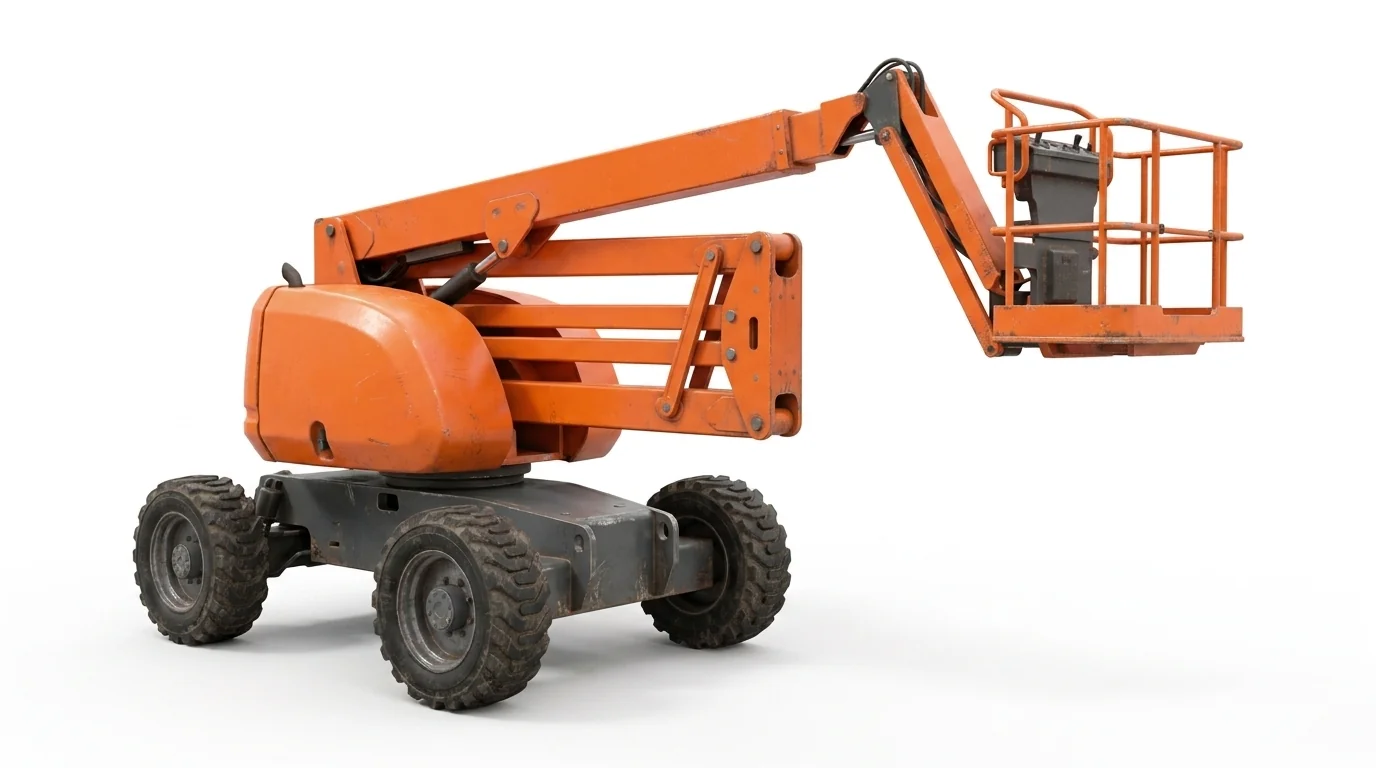
Start with the setback distance from the building or target. If the machine has room to sit back and the line of sight to the work is clear, a telescopic boom can deliver more horizontal reach than a knuckle at similar heights. Overhead obstructions—canopies, process piping, or trees—push the decision back toward an articulating unit at /articulating-boom-lift-rental/.
Questions that narrow the choice: - Is the approach open, with no need to reach over obstacles? - Can the ground support a larger chassis on the planned path and work pad? - What is the maximum working height and horizontal reach required to meet the furthest point?
Local terrain and weather factors
Mixed sandy and clay soils around Columbia can feel firm when dry but pump under wheels after heavy summer storms. Exterior work on unpaved shoulders may call for rough-terrain packages and wider pads per site procedures. Heat and humidity influence operator comfort planning and may affect engine cooling clearances in congested yards.
Sizing and platform planning
- Height vs. outreach: Begin with the highest point, but verify the furthest horizontal target as setback grows. Telescoping sections excel when the work is far out, not behind obstacles.
- Clearance and transport: Measure gate widths, lane closures, and turning radii around site traffic. Many straight booms need more swing room at tail and counterweight.
- Power type: Diesel rough-terrain dominates outdoors. Electric or hybrid straight booms are occasional fits for interior hangar-like spaces with strong slabs and ventilation.
Typical Columbia use cases
- Exterior panels, coatings, and glazing along broad building faces.
- Lighting and camera placement across large parking areas at commercial sites.
- Industrial stack or exhaust service where a clear line to height exists.
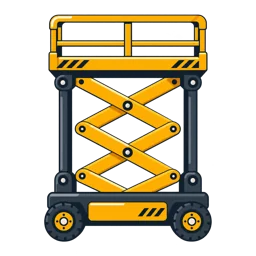
If the reach path bends around a canopy or over mechanicals, see /articulating-boom-lift-rental/. For vertical work on slab with wider platforms and materials room, consider /electric-scissor-lift-rental/.
Site controls and conditions
Actual conditions, the selected unit’s instructions, and site procedures govern stabilizing surfaces, wind exposure, and swing clearance. Confirm setback zones and any lane closure needs with the facility before delivery in Columbia, SC.