Articulating vs. telescopic in Columbia conditions
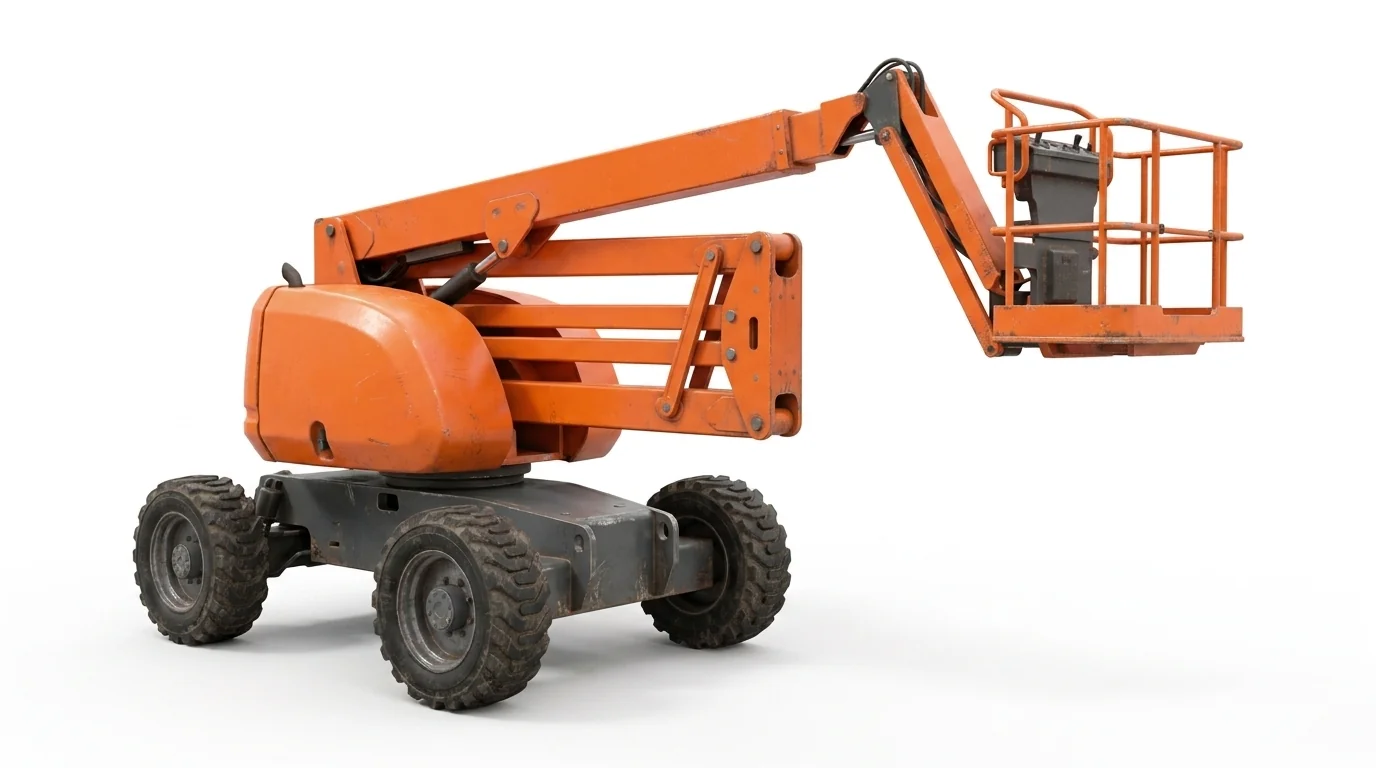
- Articulating booms: jointed sections work around overhead obstructions and into recessed areas on crowded sites.
- Telescopic booms: longer straight reach suits open yards and clear lines to the work face.
On sites with sandy or clayey sections, plan approaches along firm paths and account for curbs or grade transitions that limit positioning.
Measurements that narrow the boom
- Setback: distance from stable machine position to the work surface
- Up-and-over envelope: needed height to clear an obstacle, then horizontal reach to the target
- Platform capacity: tools and materials for the task at height
- Tail swing and turn radius: space to rotate without contacting structures or parked equipment
- Ground bearing: confirm support for outriggers or wheel loads on mixed soils
Power and shift planning
Extended outdoor shifts in Columbia’s summer often lean toward engine-driven models for consistent runtime. For partial indoor work or sensitive areas, hybrid or electric options can work if charging access and heat management are planned.
When a scissor lift is the better tool
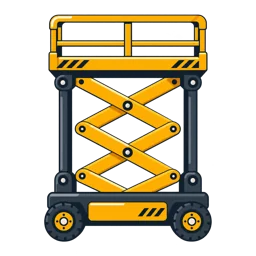
If the platform can sit directly under the task and the surface is firm and flat, a scissor lift offers a larger work deck with simpler positioning. Compare at /aerial-lift-rental/ or see scissor options at /electric-scissor-lift-rental/ and /rough-terrain-scissor-lift-rental/.
Actual conditions, the selected unit’s instructions, and site procedures govern elevated work.