Job geometry inside Columbia facilities
- Can the lift sit directly under the task without needing outreach?
- What is the required working height, including a buffer for comfortable positioning?
- How narrow are the interior pinch points—door leaves, column lines, or racking?
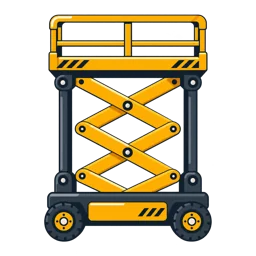
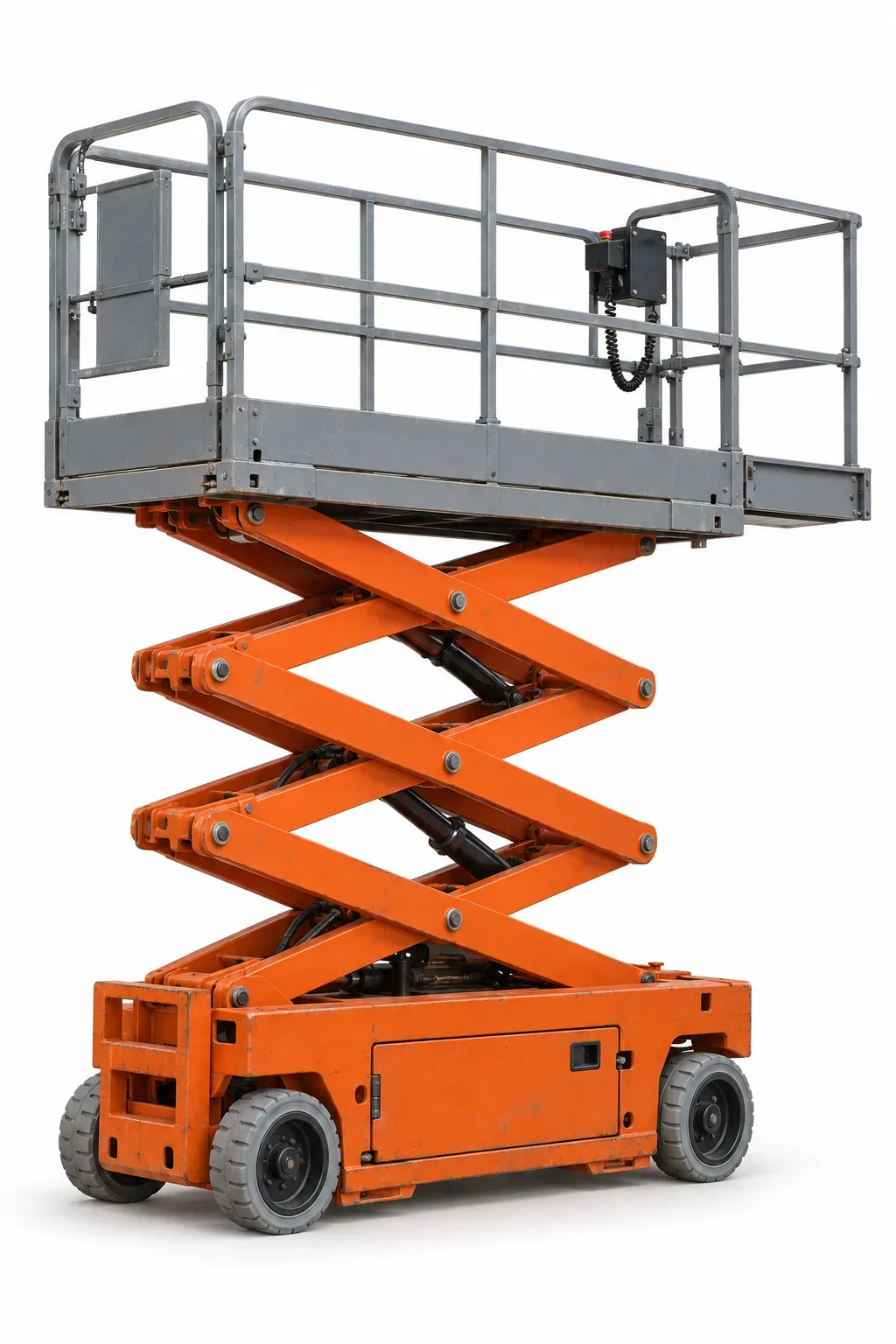
Electric scissor lifts suit fire alarm work, lighting, signage, and MEP tasks on smooth slabs. Compact models pass typical interior thresholds and handle tight turns common to large commercial floors.
Local conditions that change the comparison
Many Columbia sites pair climate-controlled interiors with loading aprons that trap heat. Batteries staged near doors can experience temperature swings, which affects runtime expectations. Plan segments so the machine returns to a charging location during low-activity periods and consider how far the charger sits from the work area.
Sizing and specifications to confirm
- Platform height range: match ceiling height and required reach envelope
- Machine width: verify against door frames and the narrowest aisle
- Weight and floor loading: check slab ratings for mezzanines or older interiors
- Turning radius: confirm that the machine can reposition at corridor intersections
- Power and duty cycle: schedule charging to cover your shift pattern in Columbia’s summer conditions
When an electric scissor isn’t the fit
If the lift must cross gravel, soft soil, or curbs before reaching the interior, a rough-terrain scissor may be safer to stage outside with materials transferred inside by hand or alternate equipment. If the task needs horizontal outreach over machinery or into atriums, a boom lift is more appropriate.
See options at /rough-terrain-scissor-lift-rental/ and /aerial-lift-rental/.
Actual conditions, the selected unit’s instructions, and site procedures govern elevated work.