Start with the job geometry
- Can the machine sit below the task with a straight up-and-down reach, or is an outreach path required?
- What is the working height and clear platform width needed to bring tools and materials up?
- How tight are the aisles, doorways, and turns between staging and the work area?
For straight vertical access on a flat slab, an electric scissor lift is usually the compact option. When the approach crosses curbs, gravel, or soft ground, a rough-terrain scissor lift with higher ground clearance is more realistic.
Why Columbia’s conditions matter
Local distribution buildings run long aisle lines on polished slabs, favoring narrow electric scissors that can pass under door headers and between racking. Just outside those doors, the Sandhills transition to sandy or clayey ground that can rut after rain, pushing many exterior jobs toward rough-terrain models. Summer heat and humidity can shorten electric duty windows between charges; plan breaks around charging opportunities and shaded staging.
Narrow the scissor lift category
- Working height: typical interior maintenance stays in the low-to-mid reach range; facade work and signage often push higher.
- Platform width: measure door frames and the narrowest aisle. Compact units fit common interior thresholds; wider platforms suit exterior work areas with more room.
- Surface: smooth slab favors electric; unfinished ground suggests rough-terrain with appropriate tires and leveling systems.
- Power: electric for indoor air quality and low noise; engine-driven for long outdoor shifts and uneven approaches.
Related aerial options in Columbia
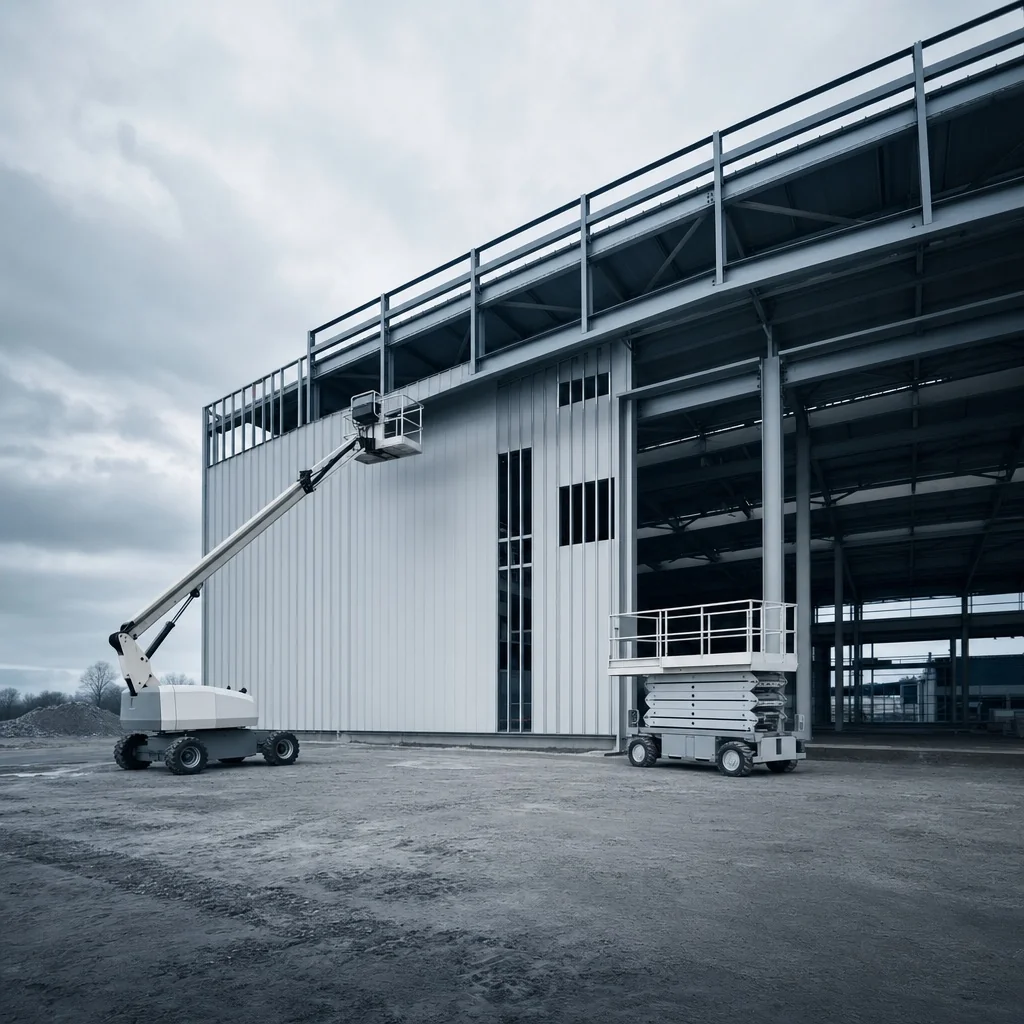
If the task needs horizontal reach around ductwork or over machinery, compare boom lifts: - Articulating booms for up-and-over paths through congested sites - Telescopic booms for longer, straighter reaches
See: /aerial-lift-rental/ and /boom-lift-rental/.
Where to go next
- For slab interiors and compact spaces: /electric-scissor-lift-rental/
- For outdoor or mixed terrain approaches: /rough-terrain-scissor-lift-rental/
Actual site conditions, the selected unit’s instructions, and job procedures govern elevated work.