Define the placement first
Start with where the load must land: floor level, elevated deck, or roof edge. Measure setback from the machine to the drop point, the height to the landing, and any barriers like parapets. These dimensions, plus the load weight, drive the required capacity at reach. If the materials need to pass under overhead utilities or through narrow gates, that affects carriage and fork spacing choices.
Local surface and climate considerations
- Surfaces: Sandy topsoil near job edges and pockets of slow-draining clay can vary under wheel load, especially after summer storms. Rough-terrain tires and a wider stance may be required by site procedures for exterior placements.
- Heat and humidity: Extended idling during staging is common in the regional climate. Plan for clear airflow around the machine and predictable staging windows to reduce congestion.
Capacity and geometry checkpoints
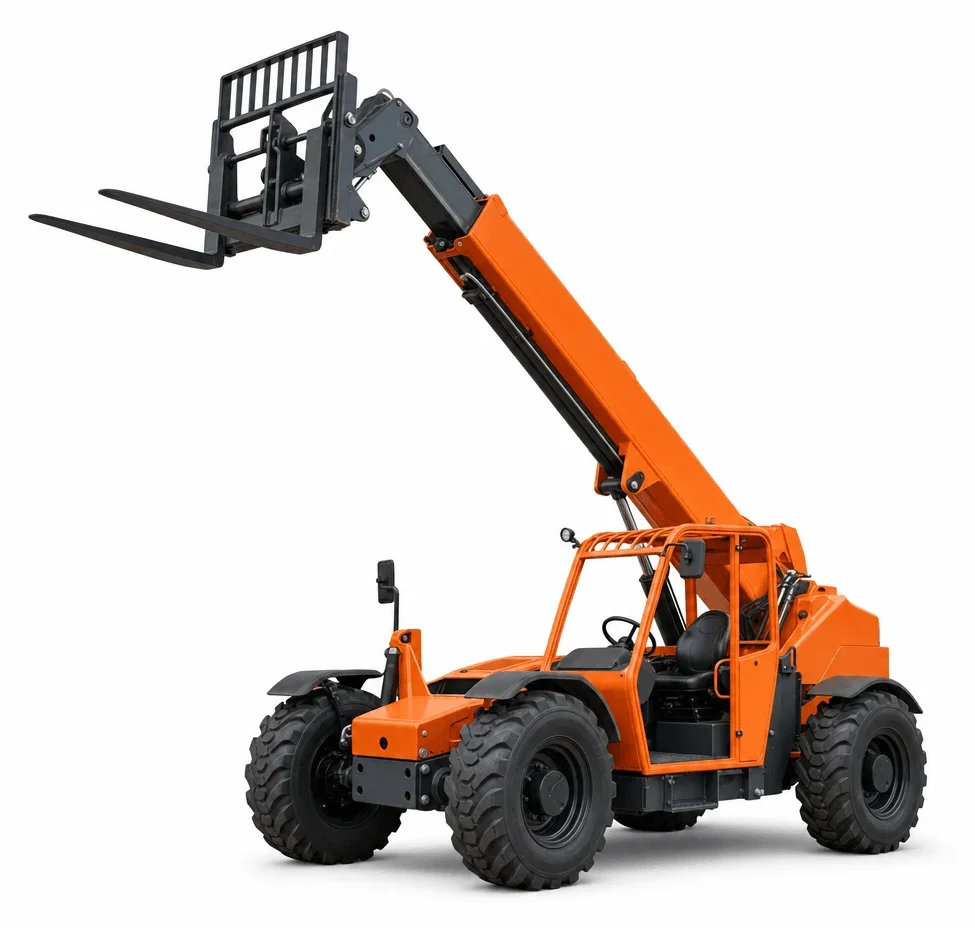
- Pick charts at reach: A telehandler’s rated capacity declines as boom extends. Match the heaviest pallet at the furthest landing point to the charted load capacity at that reach and height.
- Carriage and forks: Pallet dimensions, banding, and crate overhang affect fork spacing and carriage compatibility. Confirm aisle width and turning radius at the laydown area.
- Transport and access: Map trailer access, turning room, and the best path that avoids saturated shoulders. Know curb heights, dock transitions, and any ramp grades on site.
Columbia use patterns
- Feeding roof work on commercial rehabs where the slab is set back from the façade.
- Moving MEP skids from staging yards into industrial interiors with threshold transitions.
- Supporting distribution buildouts that require frequent pallet lifts to mezzanines.
For elevated work positioning instead of material placement, see /boom-lift-rental/ or category specifics at /articulating-boom-lift-rental/ and /telescopic-boom-lift-rental/.
Safety and site procedures
Actual conditions, the selected unit’s instructions, and site procedures govern rated loads, ground support, and lift paths. Confirm spotter policies, traffic control, and staging areas with the facility in Columbia, SC.