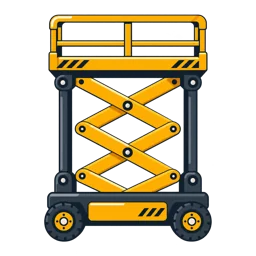
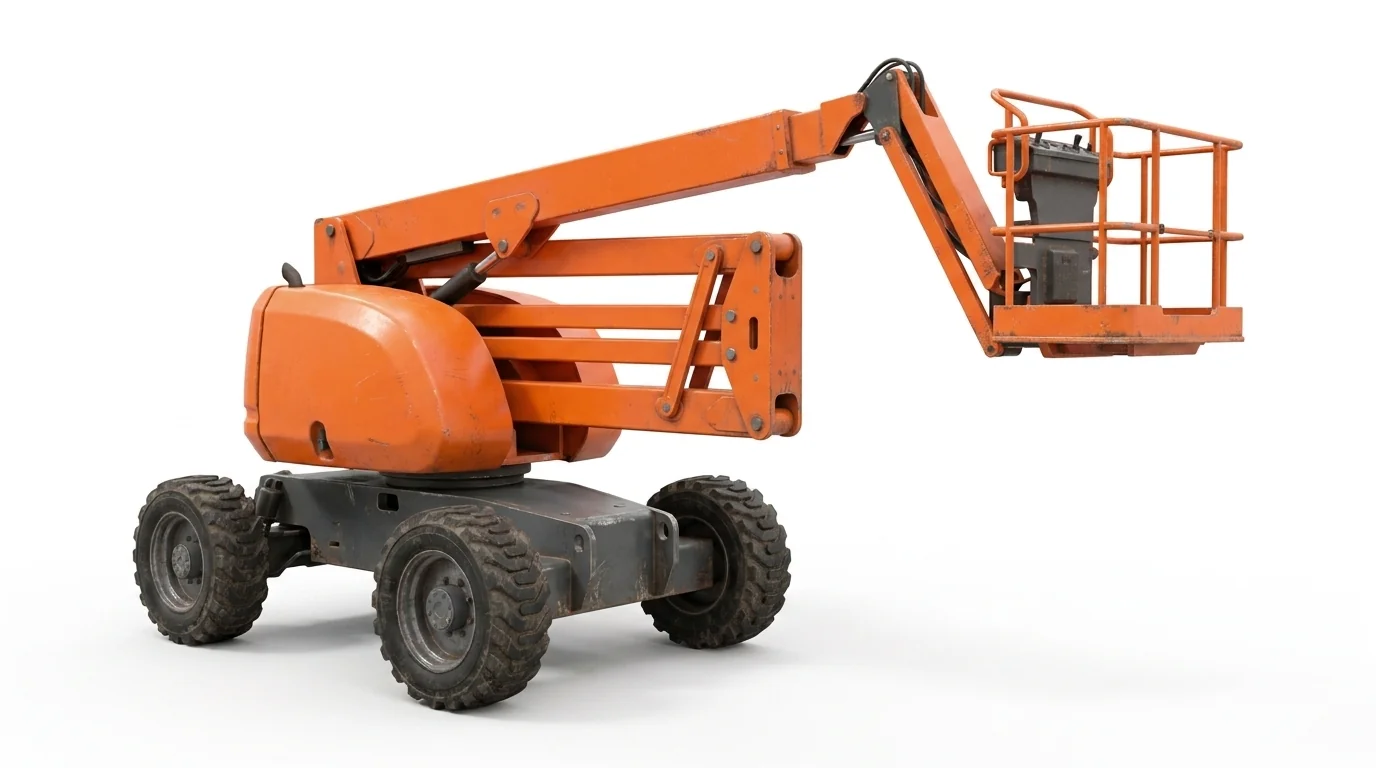
Two primary aerial paths
- Vertical access: scissor lifts place a broad platform under the task with minimal outreach
- Up-and-over access: boom lifts move horizontally and vertically to clear obstacles
Confirm working height, outreach needs, platform size, and the tightest pinch point along the route.
Local factors that change the mix
Distribution corridors, campus-scale interiors, and industrial yards create alternating surfaces—polished concrete inside, variable soils outside. Electric scissor lifts suit clean slabs; rough-terrain scissor lifts and booms address curbs, setbacks, and soft ground. Summer heat and humidity can compress battery duty windows; outdoor projects frequently plan for engine-driven run times.
Scissor vs. boom in practice
- Electric scissor: compact, quiet, and sized for aisles and doorways. See /electric-scissor-lift-rental/.
- Rough-terrain scissor: larger platform on uneven approaches. See /rough-terrain-scissor-lift-rental/.
- Articulating boom: navigates over equipment and architectural projections.
- Telescopic boom: reaches farther across open setbacks.
For deeper boom options, continue to /boom-lift-rental/.
Measurements that finalize the choice
- Working height and outreach envelope
- Door widths, aisle widths, turning radii, and floor loading
- Ground bearing capacity on exterior paths
- Power source and expected duty cycle in the regional climate
Actual conditions, the selected unit’s instructions, and site procedures govern elevated work.